HARARE: Market competitors, state-owned logistics networks, and energy regulators have formally coalesced under the Zimbabwe Electric Vehicle Association (ZEVA) to standardize charging infrastructure and accelerate the country's transition to clean transport. Launched in Harare on November 5, 2026, the industry body serves as the central coordinating hub uniting vehicle distributors, battery-swapping startups, telecommunications providers, academic institutions, and financiers across Zimbabwe's emerging e-mobility value chain.
At the helm of the association is Zimpost Postmaster General Maxwell Chitendeni, who serves as ZEVA’s founding chairperson. Under Chitendeni’s leadership, the state postal operator is anchoring the association's physical footprint by converting its expansive nationwide network of post offices into public charging hubs and battery-swapping stations, while simultaneously transitioning its own parcel delivery fleet to electric power.
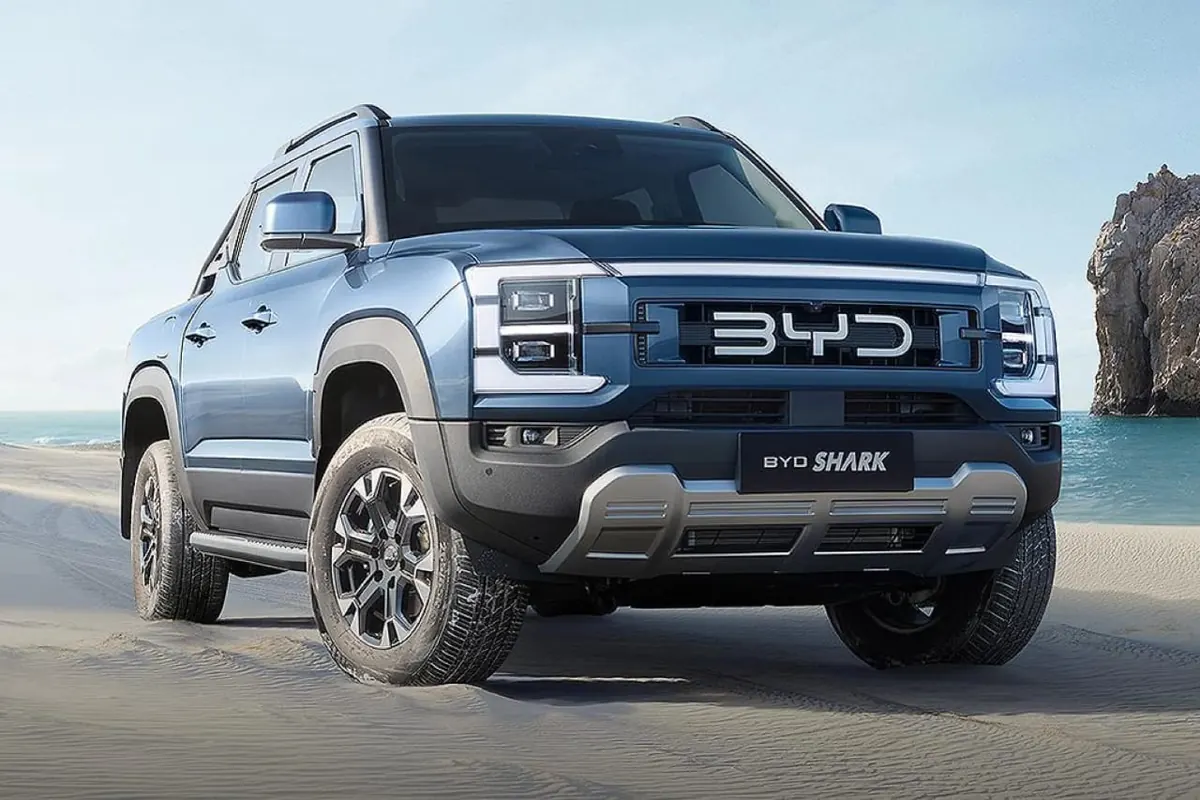
Supporting the executive leadership are senior figures from telecommunications and automotive distribution, reflecting the sector's reliance on digital connectivity and hardware supply. Telco Operations Director Ndabenhle Zibusiso Nkala holds the post of secretary, spearheading EV telemetry, Internet of Things (IoT) fleet connectivity, and smart charging network integration. BYD Zimbabwe General Manager Clayton Chimudima serves as treasurer, representing pure electric commercial and passenger vehicle distribution alongside fast-charging hardware solutions.
A defining feature of ZEVA’s mandate is bringing direct commercial rivals to the same table to solve foundational infrastructure bottlenecks. Founding members and ecosystem leaders, including Zimpost, Telco, BYD Zimbabwe, Beyond Mobility, and Satewave Technologies, are collaborating on unified national charging standards, battery quality assurance for imported vehicles, and strategic charger placement along major corridors linking Harare, Bulawayo, and Victoria Falls.
Regulatory alignment forms a core pillar of the association’s work as the government refines fiscal and technical frameworks for clean transport. ZEVA actively engages the Zimbabwe Energy Regulatory Authority (ZERA) to enforce charging station safety and smart-grid compliance under Statutory Instrument 120 of 2026, while working with local councils and ministries to streamline municipal approvals and investor-friendly tariff structures.
Beyond policy and hardware, the association is addressing a critical skills gap in local automotive maintenance. ZEVA has established technical training partnerships with the University of Zimbabwe (UZ), the Harare Institute of Technology (HIT), and vocational training colleges to develop EV technician certification programs, high-voltage safety protocols, and local technology incubation.
Capital mobilization is equally central to ZEVA’s ecosystem model. The association’s network integrates commercial banks, green funds, and insurance underwriters to structure tailored asset financing and risk coverage for electric two-wheelers, passenger cars, and commercial delivery fleets, lowering the upfront cost barrier for both individual buyers and corporate operators.
The establishment of ZEVA comes at a pivotal moment for Zimbabwe’s automotive market, where conventional internal combustion and non-plug-in hybrid imports still outpace pure battery-electric vehicles. By pooling data on vehicle concentration and daily energy demand, ZEVA aims to give infrastructure investors the empirical visibility required to deploy capital without overbuilding underutilized charging stations.